
Common Signs of Adult Autism That Show Up in Relationships (and Are Often Missed)
What does adult autism actually look like in relationships? While many people know the diagnostic criteria, the everyday signs are often far more subtle. Learn about common relationship patterns that may be overlooked in autistic adults, especially those who were diagnosed later in life or learned to mask their differences.

When should I talk to a therapist about gender identity?
Wondering if you might be experiencing gender dysphoria? Learn the difference between dysphoria and dysmorphia, common signs of gender-related distress, and how therapy can support identity exploration in a safe, affirming, and nonjudgmental space.

Why Resentment Builds in Relationships (And What It’s Trying to Tell You)
Resentment in relationships often builds when we ignore our own needs, boundaries, and emotional signals. Learn how self-respect and attachment patterns shape relational dynamics.
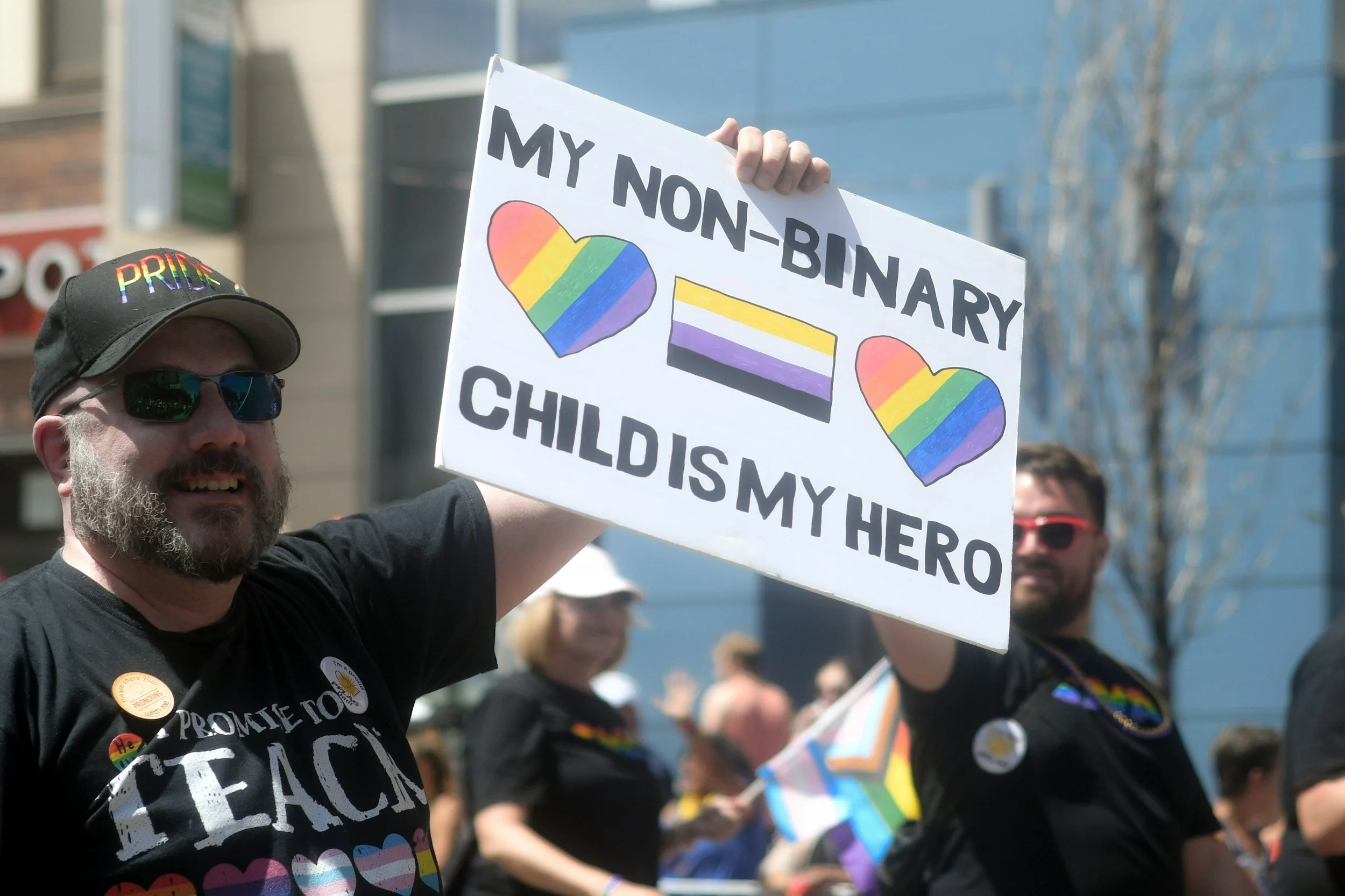
Your Child Came Out as Trans or Non-Binary: Now What?
Guidance for parents after a child or teen comes out as trans or nonbinary: what to expect, what matters most, and where to begin.

This moment requires psychological stamina.
Surviving this political and cultural climate through body based care.

“Talking about your trauma will retraumatize you.” Incorrect.
The idea that talking about trauma will re-traumatize you is common but inaccurate. This post explains how structured trauma therapy, including Narrative Exposure Therapy, can be stabilizing, contained, and deeply healing.

How Undergoing Gender-Affirming Surgery Changed the Way I Approach Standalone Sessions for Surgery Letter Writing
Reflections on how undergoing top surgery deepened my commitment to thoughtful, affirming, and non-pathologizing care when writing gender-affirming surgery letters.